
Editor’s note
We share lifestyle patterns we see in everyday living, not instructions tailored to your individual situation. Take what resonates and leave the rest—there is no single “correct” evening.

Lifestyle editorial · South East Queensland
A magazine-style guide to softer light, slower pacing, and small rituals that help you close the day with intention—without turning your night into a performance.

Vodnarexghelar publishes free general lifestyle articles only. We do not sell health products, supplements, treatments, or paid courses on this website. Nothing here replaces advice from a qualified professional (for example your GP, psychologist, or other registered practitioner).
If you arrived from an online advertisement, the page you see matches our editorial offer: calm, practical evening ideas—not a promise of results. For who operates this site and your consumer rights in Australia, see About us and Consumer information.
Foundations
The way you shift from work mode to rest mode is deeply personal. These ideas favour gradual changes—dimmer rooms, slower tasks, and fewer abrupt switches—so your evening feels like a bridge rather than a cliff.
We share lifestyle patterns we see in everyday living, not instructions tailored to your individual situation. Take what resonates and leave the rest—there is no single “correct” evening.
Our editors work near the coast in Queensland. We test ideas in real homes: verandahs, apartments, and share houses. When we say “after dinner,” we mean whenever your household actually eats—whether that is 6 pm or 9 pm.
Ambience
Lowering overall brightness in shared spaces often signals that activity is winding down. Many readers prefer lamps with warm tones instead of harsh overhead panels after the evening meal.
If you use screens at night, night modes or shorter sessions can feel more sustainable than strict rules. Small, repeatable choices tend to outlast dramatic resets that rarely stick.
Try a warmer LED in the room where you spend most evenings. It is a low-cost experiment you can undo.
Leaving the phone on the kitchen bench can reduce “just checking” without moralising about technology.
Over ten minutes, bring lights down step by step so your household adjusts naturally.

Sequence
Tap a step below to expand it. Reorder or skip items to suit your household, the season, and how tired you are.
Clearing the dining table or bench can signal “kitchen closed” without a full clean. Many Australians find this helps after late daylight saving dinners.
If you enjoy it, herbal tea, hot water with lemon, or another warm drink you like might mark the shift. Skip this step entirely if you prefer plain water or nothing at all.
Folding laundry, watering a balcony plant, or a short playlist can bridge day and night. Keep it under fifteen minutes on busy weeknights.
Quiet focus
Paper, thread, pencils, or a novel—choose a medium that holds your attention without demanding instant replies. Even fifteen minutes can mark a boundary between daytime urgency and personal time.
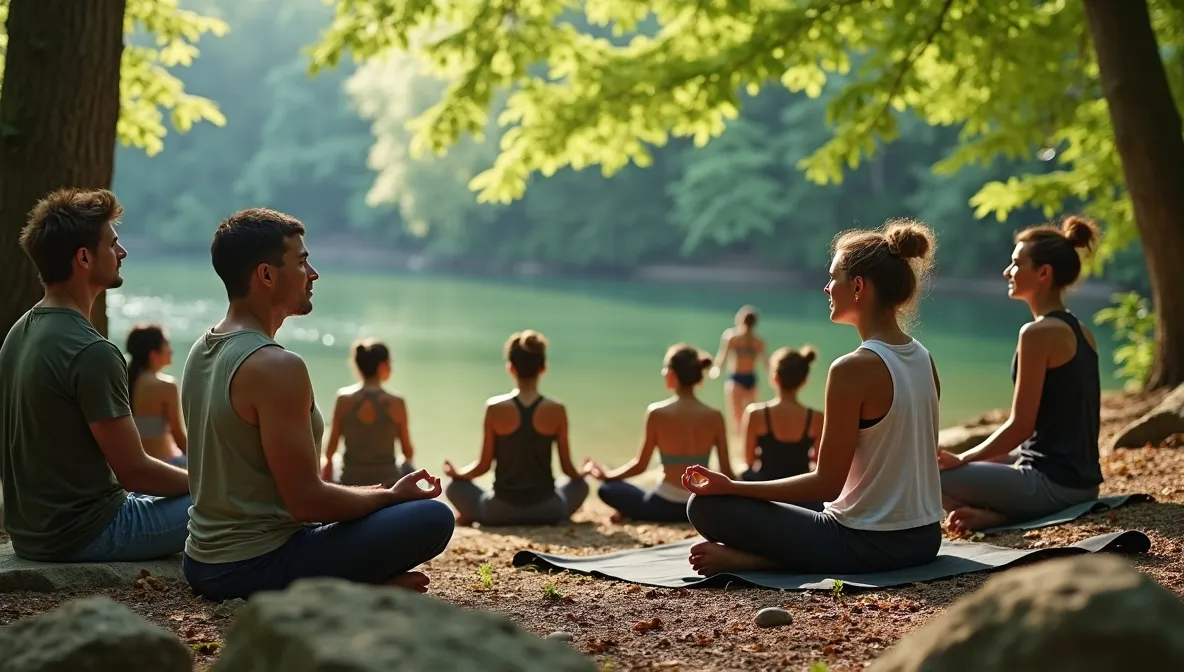
One chapter, one sketch, or one row of stitches is enough to honour the habit. Consistency matters more than duration on hectic weeks.
Space
Clearing the bed, drawing curtains, and laying out tomorrow’s clothes can reduce morning friction. Treat these as optional assists, not a checklist you must complete to deserve rest.
Textures you enjoy—linen, cotton, or a favourite throw—add sensory cues that support relaxation for many people.
Body
Slow stretching, a short walk after dinner, or a few minutes of guided breathing may help release tension built up from desk work or travel. Choose movements that feel steady rather than intense before sleep.
Tick what you tried this week—your choices stay on this device only.
Rhythm
Missed evenings happen. A flexible routine bounces back faster when you frame it as a return rather than a restart. Note what worked last week and repeat those elements.
Tomorrow
Jotting three priorities on a card, packing a bag, or setting the coffee plunger saves decision energy when you are less alert. Keep lists modest so they stay realistic for school runs, shift work, or early meetings.
Community
Short notes from people who adjusted their evenings in small ways. These are personal experiences only—not endorsements of specific outcomes for anyone else.
“I started dimming lights during dinner prep. The house feels calmer, and I notice I reach for my phone less often.”
— J., Brisbane
“Writing one line in a journal after I close my laptop gives me a sense of closure. Some nights it is only a single sentence.”
— A., Tallebudgera Valley
Questions
Straight answers for visitors and advertisers reviewing this landing page. Open any item for detail.
No. This page is editorial lifestyle content only. We do not process payments here and we do not offer medical or therapeutic services through this website.
We do not guarantee any outcome. People differ. If you have ongoing sleep or stress concerns, speak with a qualified health professional registered in Australia.
Use the details in the footer and on our contact page. Our Privacy Policy explains how we handle personal information under Australian law and, where relevant, overseas privacy rules.
This website provides general lifestyle information only and does not constitute professional, medical, or other regulated health advice. For personal concerns, seek advice from an appropriate qualified practitioner in your state or territory.
Reach us
Ask about our editorial approach, suggest topics, or query privacy. We read every message sent through this form during Queensland business hours.
Address: 192 Syndicate Rd, Tallebudgera Valley QLD 4228, Australia
Phone: +61 7 5589 5000
Email: ask@vodnarexghelar.world